
- Blog
- What Landowners Should Know Before Clearing Rural Land in Sundre
What Landowners Should Know Before Clearing Rural Land in Sundre
Final Thoughts
Clearing rural land works best when planning comes first. Understanding your property, timing, and access needs helps prevent costly mistakes and protects long-term land value.
By taking a step-by-step approach to clearing rural land, Sundre landowners can move forward with confidence and clarity instead of uncertainty.
- 587-894-1975
- Dan@newwestcontracting.ca
Key Takeaways
- Clearing rural land involves more than removing vegetation; planning determines long-term results.
- Not all areas of rural property need clearing at once.
- Soil, drainage, and access affect how clearing should be done.
- Local rules and environmental factors can influence clearing decisions.
- Proper preparation helps avoid erosion, regrowth, and costly rework.
Before clearing, walk your property after rainfall. Wet areas, slopes, and access challenges become obvious and should guide your clearing plan.
What Does Clearing Rural Land Actually Involve?
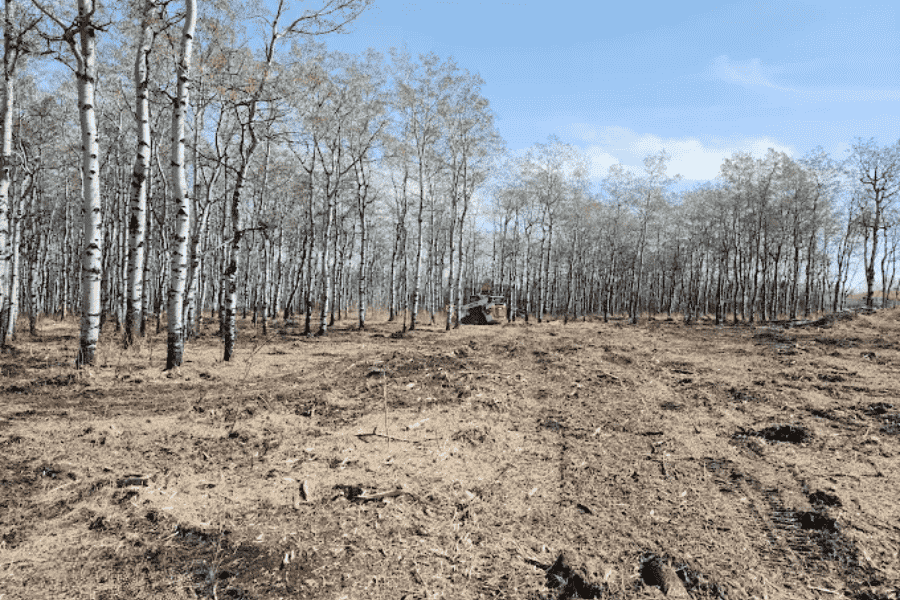
Clearing rural land usually means removing unwanted vegetation so the land can be used safely and effectively. This can include brush, small trees, and overgrowth that limits access or future plans.
The process is not just about removing plants. It also involves thinking about how the land will respond afterward, including surface condition, regrowth, and usability. In Sundre, this often looks different from urban land because properties are larger and less developed.
Do You Need to Clear All Your Land or Only Certain Areas?
Many landowners assume everything must be cleared at once. In reality, selective clearing is very common. Some areas may be left untouched for privacy, drainage, or environmental reasons.
Thinking through property clearing considerations early helps avoid regret. Clearing only what you need now often gives more flexibility for future development plans while keeping the land balanced.
What Should Be Checked Before Planning Any Land Clearing?
Before preparing land for clearing, it’s important to understand what’s already there. Boundaries, access points, and utility lines should be identified early to avoid safety issues or delays.
Many rural landowners near Sundre take time to walk their property before planning begins. This simple step helps spot uneven terrain, wet areas, or obstacles that may affect the clearing approach.
Are There Local Rules or Restrictions Around Clearing Land in Sundre?
Rural landowners often worry about rules, but the goal is awareness, not complexity. Certain clearing activities may be affected by local guidelines, environmental considerations, or wildlife protections in Alberta.
Understanding land clearing planning for acreage helps ensure work is aligned with local expectations. This is especially relevant near wooded or environmentally sensitive areas around Sundre.
How Soil, Drainage, and Access Affect Clearing Decisions
Land conditions play a major role in clearing outcomes. Soil type, drainage patterns, and access planning all influence how clearing work progresses and how the land behaves afterward.
Ignoring these factors can lead to surface damage, delays, or erosion issues that are difficult to fix later.
Soil Conditions and Ground Stability
Soil conditions assessment helps determine how well the ground can support equipment. Soft or unstable soil may shift during clearing, especially after rain, which affects both safety and results.
Drainage and Water Flow
Drainage considerations are critical on rural properties. Poorly drained areas are more likely to experience erosion once vegetation is disturbed. According to Alberta land management guidance, exposed soil in wet areas increases erosion risk, which is why drainage awareness matters.
Access Roads and Entry Points
Access roads and entry points determine how equipment reaches the site. Poor access planning can slow work, increase land impact, or require additional preparation before clearing begins.
Land clearing site preparation often starts with identifying safe, stable access routes to reduce unnecessary disturbance.
What Happens If Rural Land Is Cleared Without Proper Planning?
Skipping planning often leads to avoidable problems. These can include uneven clearing, faster regrowth, or erosion issues that require additional work later.
Many landowners discover that fixing mistakes costs more than planning ahead. Property clearing considerations help reduce rework and protect the land long-term.
When Is the Right Time to Clear Rural Land in This Area?
Timing matters more than many people expect. Ground conditions, seasonal moisture, and accessibility all influence results.
Landowners around Sundre often plan clearing during periods when the land is stable and equipment access is easier. Seasonal timing for land clearing helps reduce surface damage and improves overall site readiness.
How Do You Know You’re Ready to Move Forward With Clearing?
Feeling unsure is normal. Most landowners reach clarity once they understand their land, future goals, and access needs.
When preparation feels complete and the plan matches how you want to use the land, confidence usually follows. For Sundre properties, this is often the point when experienced local providers like New West Contracting are consulted to review access and preparation needs.
Learn more about Sundre land clearing.
FAQs
How often should rural land be cleared?
It depends on vegetation type and land use, but many properties only need maintenance clearing every few years.
Can clearing be done year-round in Sundre?
Some work can be done year-round, but ground and weather conditions affect results.
Does clearing remove roots and stumps?
Not always. This depends on the clearing method and depth.
Is clearing safe near fences or buildings?
With proper planning and access control, clearing can be done safely.
How long does regrowth usually take?
Regrowth speed varies, but unmanaged areas typically see new growth within one to two seasons.