- Blog
- Vegetation Management Fire Prevention in Burnstick Lake
Vegetation Management Fire Prevention in Burnstick Lake
Final Thoughts
Wildfire risk is part of rural living near Burnstick Lake. Thoughtful land management reduces exposure without removing the natural beauty of your property.
Balanced thinning, defensible space planning, and ongoing vegetation management fire prevention all work together to improve safety.
If you want guidance tailored to your specific terrain and vegetation type, New West Contracting provides forest thinning services near Burnstick Lake to help landowners reduce fire hazards responsibly.
- 587-894-1975
- Dan@newwestcontracting.ca
Key Takeaways
- Wildfire risk increases when dry brush and surface fuels build up around structures.
- Vegetation management focuses on spacing, thinning, and reducing fuel ladders.
- Defensible space planning lowers ember ignition risk near homes and cabins.
- Forest thinning supports both fire safety and long-term tree health.
- Seasonal inspections help prevent overgrown vegetation hazards from returning.
Tip: Before peak summer heat, clear dry needles, dead branches, and debris within 10 metres of structures to reduce ember ignition risk.
Understanding Vegetation Management Fire Prevention on Rural Properties
How Wildfire Spreads Through Vegetation
Fire spreads when fuel connects continuously across the ground and into tree canopies. This connection is often called a fuel ladder.
Low shrubs ignite first. Flames then move upward into tree branches. When fire reaches tree crowns, intensity increases quickly.
Research on wildfire behavior shows that removing vertical fuel ladders can significantly reduce flame height. In simple terms, fewer connections mean slower spread.
The Role of Wildfire Fuel Management
Wildfire fuel management focuses on reducing combustible material. It includes:
- Removing dead wood
- Thinning crowded trees
- Managing surface fuel buildup reduction
This is not about cutting every tree. It is about spacing and balance.
Reducing overgrown vegetation hazards lowers ember ignition risk near structures and supports crown fire prevention strategies.
Rural Fire Risk Reduction in Burnstick Lake
Burnstick Lake properties are surrounded by forested areas. During dry summers, slope fire behavior risks increase because fire moves faster uphill.
Alberta wildfire safety standards highlight that rural properties near forested zones require additional planning. According to provincial wildfire data, most structure losses occur when embers travel ahead of the main fire front.
That means protection is not only about flames reaching your home. It is about preventing ignition from airborne sparks.
Rural fire risk reduction involves wildfire buffer zones, perimeter thinning, and seasonal inspection.
Even smaller acreages benefit from landowner fire mitigation planning.
Defensible Space Planning and Property Fire Safety Measures
Creating Buffer Zones Around Structures
Defensible space planning means creating a safety buffer around your home, cabin, or outbuildings.
Wildfire programs commonly recommend keeping the area immediately around structures clear of dry brush and flammable debris. Even a small cleared zone can reduce ignition risk.
Clearing Around Structures and Access Routes
Property fire safety measures include:
- Clearing around structures
- Rural property perimeter clearing
- Access route fire protection
Keeping driveways clear also allows emergency vehicles to access your property safely.
Strategic spacing, not total clearing, is the goal.
Brush Density Control and Fire-Resistant Landscaping
Brush density control helps interrupt fuel continuity. When trees are too close together, flames can jump from one crown to another.
Tree spacing guidelines recommend removing weaker or overcrowded growth while preserving healthy trees.
Fire-resistant landscaping near structures reduces ember ignition risk. Gravel borders, low-flammability plants, and trimmed shrubs all lower hazard without removing natural beauty.
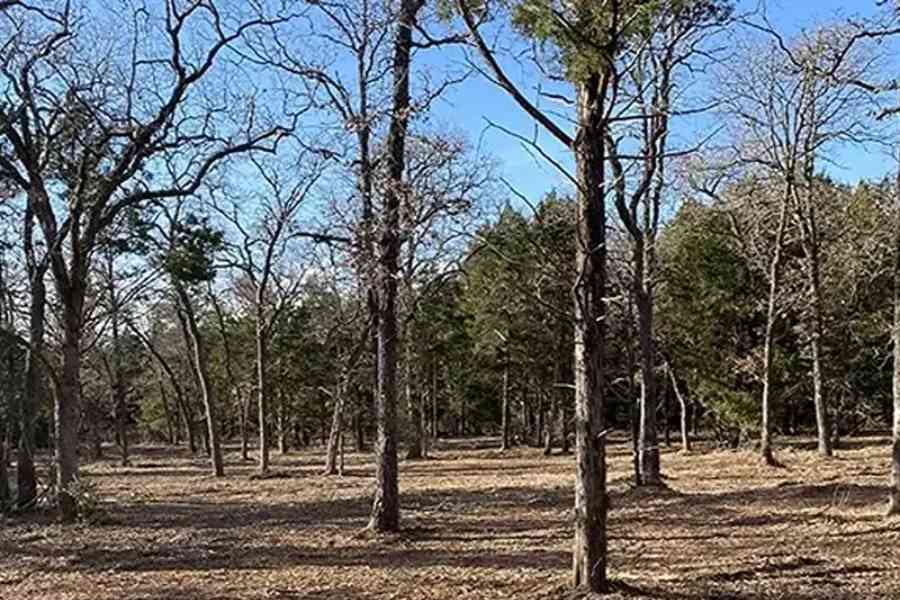
Controlled vegetation thinning maintains the character of your land while improving safety.
Forest Thinning as a Landowner Fire Mitigation Strategy
Forest thinning near Burnstick Lake is one of the most effective landowner fire mitigation steps.
Thinning reduces crown fire prevention strategies by increasing spacing and improving airflow between trees. Fewer trees competing for space also improves overall forest health.
Fuel ladder removal prevents flames from climbing upward.
When done correctly, thinning supports both wildfire fuel management and long-term wildfire preparedness for acreages.
Can You Manage Fire Risk Without Professional Help?
Light maintenance such as removing small shrubs and clearing debris is manageable for many landowners.
However, large-scale controlled vegetation thinning requires planning. Brush density control must consider slope, spacing, and safe equipment use.
Routine inspections help identify seasonal vegetation maintenance planning needs before peak dry season.
For structured vegetation management fire prevention planning near Burnstick Lake, professional evaluation can provide clarity and safer implementation.
Planning Seasonal Vegetation Maintenance for Long-Term Protection
Timing and Dry Season Preparation
Dry season vegetation management should begin before peak summer heat. Early thinning reduces fuel buildup and supports rural fire risk reduction.
Surface fuel buildup reduction before hot months lowers ignition potential.
Ongoing Inspection and Maintenance
Vegetation regrows. That means maintenance is not one-time.
Annual inspections, especially after wet seasons, help identify new overgrown vegetation hazards. Periodic thinning keeps wildfire buffer zones effective.
Vegetation management fire prevention works best when it is consistent and planned.
FAQs
How far should vegetation be cleared from propane tanks or outbuildings?
Safety recommendations often suggest maintaining clear space around fuel sources and detached structures to reduce ignition risk from embers or radiant heat.
Can vegetation control lower my insurance risk in wildfire-prone areas?
Some insurers consider defensible space and fuel reduction efforts when assessing wildfire exposure. Proper land management may support better safety evaluations.
What happens if I ignore vegetation buildup for several years?
Fuel accumulation can increase fire intensity and make future thinning more complex and costly. Dense regrowth also reduces access for emergency response.
Does thinning improve overall forest health as well as fire safety?
Selective thinning can improve airflow, sunlight penetration, and tree strength. Healthier trees are generally more resilient to drought, pests, and fire stress.
Do I need a permit for vegetation clearing near Burnstick Lake?
Permit requirements depend on property location, environmental restrictions, and proximity to protected areas. It’s important to confirm local municipal or county guidelines before starting large-scale clearing.
How do I prioritize which areas of my property to manage first?
Start with zones closest to structures, driveways, and slopes where fire could spread quickly. Expanding outward in stages makes management more practical and cost-effective.