
- Blog
- Trail Cutting vs Access Clearing: Key Land Planning Guide
Trail Cutting vs Access Clearing: Key Land Planning Guide
Final Thoughts
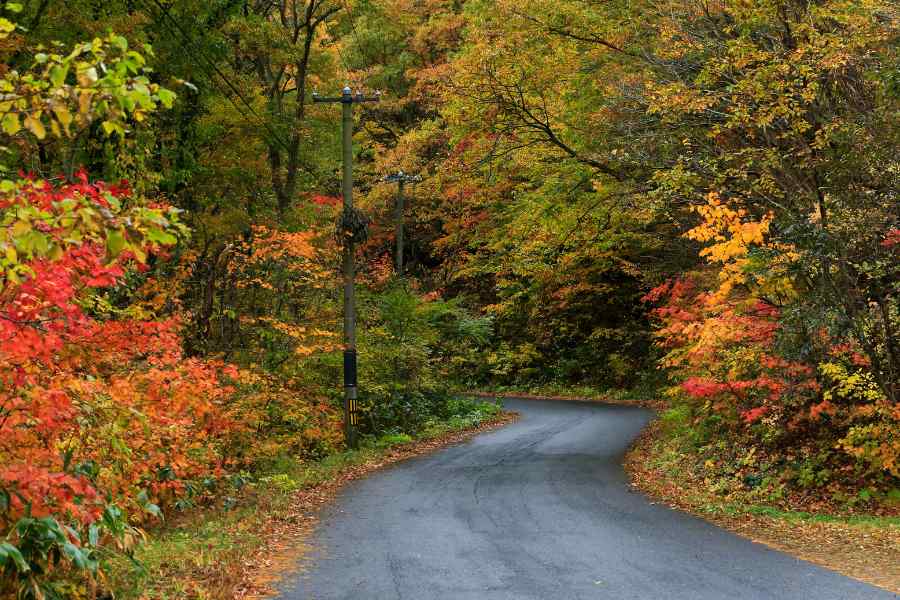
Access routes support both short-term use and long-term land management.
Clear trails improve navigation, inspections, and maintenance while protecting surrounding vegetation.
Understanding trail cutting vs access clearing helps landowners choose the right approach for their property needs.
- 587-894-1975
- Dan@newwestcontracting.ca
Key Takeaways
- Trail cutting and access clearing serve different land management purposes.
- Trail width and route design depend on the intended use of the path.
- Proper route planning helps protect soil and vegetation stability.
- Access routes improve property navigation and inspection access.
- Landowners benefit from understanding terrain access options before clearing.
Tip: Before cutting a trail or clearing an access route, walk the terrain and note slopes, drainage paths, and dense vegetation so routes follow stable ground.
Understanding the Purpose of Trail Cutting vs Access Clearing
Trail cutting and access clearing both create routes through vegetation, but their purpose is different. In simple terms, trail cutting vs access clearing comes down to how the route will be used.
Trail cutting usually creates narrower pathways that allow people to walk through wooded land. These routes are often used for property inspections, recreation, or light land management.
Access clearing, on the other hand, typically creates wider corridors that allow equipment or vehicles to travel safely. These routes may support forestry work, land development, or equipment access.
Understanding these corridor usage differences helps landowners choose the right method. The choice depends on how the route will be used and how frequently it needs to support movement across the property.
Woodland Access Routes and Property Access Paths in Rural Land Planning
Many rural properties around Burnstick Lake include wooded areas where movement can be difficult without clear paths. Vegetation, fallen trees, and uneven terrain can limit access across a property.
Creating woodland access routes helps landowners move safely through these areas. Even simple paths allow property inspections, fence maintenance, and land monitoring to become easier.
Defined property access paths also help organize how people move across land. Instead of random movement through vegetation, planned routes guide traffic and reduce unnecessary disturbance.
Many rural landowners eventually create small access routes for tasks such as:
- Property inspections
- Fence line maintenance
- Forestry management
- Recreational walking trails
Over time, these routes become an important part of rural land planning and long-term property management.
Trail Development Methods and Route Selection Factors
Creating a trail on rural land usually follows a simple but thoughtful planning process. Trail development methods focus on minimizing land disturbance while improving navigation.
Before any clearing begins, route planning usually considers several route selection factors, including terrain slope, vegetation density, and natural drainage patterns.
Terrain Evaluation Before Trail Planning
Most trail routes begin with a walk-through inspection. Landowners or contractors evaluate slopes, vegetation density, and existing animal paths to determine the safest route.
Aligning Trails With Natural Land Features
Many trails follow natural land contours rather than cutting straight through dense vegetation. This approach helps reduce erosion and keeps the route stable over time.
By understanding these route planning principles, landowners can design trails that remain functional with minimal long-term maintenance.
Trail Width Differences and Corridor Usage Differences
Not all trails are the same width. One of the biggest factors in trail cutting vs access clearing is how wide the corridor needs to be.
Narrow trails are often used for walking paths or inspection routes. These trails may only require minimal vegetation removal.
Wider corridors are needed when equipment must travel along the route. Vehicles and machinery require additional space for safe movement and turning.
These trail width differences directly influence how a path can be used. When the intended purpose is clear, it becomes easier to determine how much vegetation must be removed.
This planning also helps reduce unnecessary clearing and keeps the surrounding vegetation stable.
Terrain Access Options and Land Access Methods
Rural land often includes slopes, wooded areas, and uneven ground. Because of this, choosing the right terrain access options is important.
Different land access methods can be used depending on how the property will be used. Some routes may only need narrow walking paths, while others must support vehicles or equipment.
Choosing Stable Terrain for Access Routes
Routes are often placed along stable ground or gentle slopes. This helps reduce erosion and makes the path easier to maintain.
Avoiding Drainage and Wet Areas
Good route planning also considers water movement. Avoiding wet or low areas helps prevent long-term damage to the path.
By designing routes around natural terrain features, landowners can improve property access while protecting soil stability.
Equipment and Vegetation Management for Trail Corridors
Vegetation removal is often necessary when creating trails or access routes. The equipment used depends on vegetation density and terrain conditions.
For lighter vegetation, brush cutters or small mulchers may be enough. For thicker vegetation or small trees, heavier equipment may be used to remove obstacles safely.
These tools help perform vegetation removal for trails without damaging surrounding soil or vegetation.
Many clearing operations focus on removing only what is necessary to create a usable path. This approach supports better trail corridor management and reduces environmental disturbance.
When Should Property Owners Choose Trail Cutting Instead of Access Clearing?
Choosing between trail cutting and access clearing often depends on how the route will be used.
Trail cutting may be the better option when the goal is to create simple walking paths or inspection routes. These trails require minimal clearing and help maintain natural vegetation.
Access clearing is usually necessary when equipment must move across the property. This type of corridor requires more space and vegetation removal.
Understanding trail cutting vs access clearing allows landowners to match the route design to their property needs.
In most cases, the intended use of the path determines the correct method.
FAQs
How Wide Should A Trail Be For Walking Or Recreational Use?
Trail width usually depends on how the path will be used. For simple walking or recreational trails, a narrow path between 2 to 4 feet is often enough to allow comfortable movement while keeping surrounding vegetation mostly intact.
Can Trail Cutting Damage The Soil Or Surrounding Vegetation?
Trail cutting generally causes minimal disturbance when done carefully. Proper planning ensures vegetation is removed only where necessary while keeping soil stability and surrounding plant life protected.
Do Property Owners Need Permission To Clear Trails On Their Land?
In most cases, property owners can clear trails on private land. However, if the land includes protected areas, wetlands, or shared boundaries, local regulations or environmental guidelines may apply.
How Can Landowners Maintain Trails After They Are Cleared?
Maintaining trails usually involves periodic vegetation trimming, removing fallen branches, and checking for soil erosion or drainage problems. Simple seasonal maintenance often keeps trails usable for many years.
Can Trails And Access Routes Increase Property Value?
Well-planned trails and access routes can improve property usability by making it easier to inspect land, manage vegetation, and move across large areas. Improved accessibility can make rural land more functional for owners.
Is Professional Planning Recommended Before Creating Property Trails?
Professional planning can help identify the safest and most efficient route across wooded terrain. Experienced contractors often evaluate slopes, vegetation density, and drainage patterns before clearing begins.