- Blog
- Forest Thinning Use Cases for Calgary Acreages
Forest Thinning Use Cases for Calgary Acreages
Final Thoughts
Forest thinning is not about removing trees. It is about improving spacing, health, and long-term sustainability.
Understanding forest thinning use cases helps Calgary acreage owners decide when selective action supports ecosystem balance, wildfire resilience, and stronger woodland growth.
If you are evaluating thinning options for your property, New West Contracting provides forest thinning services in Calgary tailored to acreage land management goals.
- 587-894-1975
- Dan@newwestcontracting.ca
Key Takeaways
- Overcrowded forests often show tall, thin trees and limited understory growth.
- Forest thinning improves spacing, light penetration, and overall woodland health.
- Selective tree removal supports ecosystem balance without clear cutting.
- Proper thinning can reduce wildfire intensity by lowering crown continuity.
- Forest density management requires periodic reassessment, not a one-time fix.
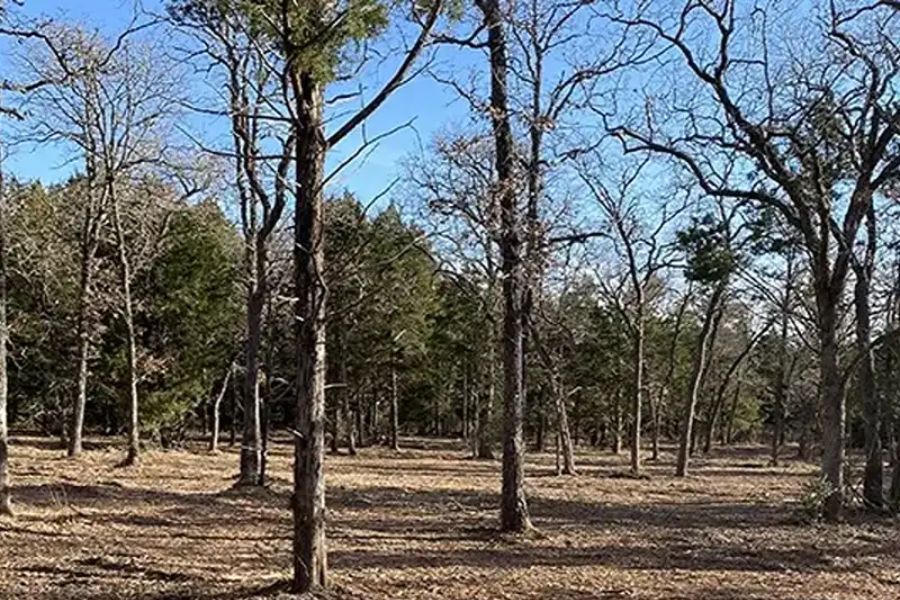
Mark healthy, well-spaced trees before thinning so removal focuses only on weak, crowded, or diseased growth.
Recognizing Overcrowded Forest Signs and the Need for Forest Density Management
Common Overcrowded Forest Signs on Acreages
On many Calgary acreages, early overcrowded forest signs include:
- Tall, thin trees reaching for light
- Minimal understory vegetation
- Branches interlocking tightly
- Reduced growth at lower canopy levels
These signs suggest excessive crown competition reduction is needed.
Why Excess Density Affects Woodland Health
When trees compete too closely, soil nutrient competition increases. Light penetration decreases understory vegetation control. Trees become stressed and weaker.
Research on forest growth patterns shows that overcrowded stands can reduce individual tree growth by up to 30 percent compared to properly spaced stands. In simple terms, too many trees can mean slower growth overall.
This is where proper forest density management becomes important.
Understanding Forest Thinning Use Cases for Sustainable Forest Practices
Forest thinning use cases often apply when woodland health is declining but full clearing is unnecessary.
Thinning involves selective tree removal. It focuses on:
- Removing weak or diseased trees
- Improving forest canopy spacing
- Supporting woodland regeneration planning
It is different from clear cutting. Clear cutting removes entire stands. Thinning preserves canopy structure and supports sustainable forest practices.
Forest thinning use cases are most appropriate when the goal is improvement, not removal.
Tree Spacing Benefits and Woodland Health Improvement
How Spacing Improves Airflow and Light
Tree spacing benefits include improved airflow in woodland areas. Better airflow reduces moisture buildup, which lowers disease spread.
Increased light penetration supports understory growth and native species protection.
Reducing Drought Stress and Disease Spread
Trees under less competition access more water and nutrients. Drought stress reduction becomes noticeable when spacing improves.
Studies in managed forests show that thinning can increase growth rates and tree vigor over time. Stronger trees are more resistant to pests and environmental stress.
Forest thinning use cases often include long-term woodland health improvement goals.
Ecosystem Balance Improvement and Habitat Restoration Techniques
Healthy woodlands support biodiversity.
When density is too high, understory plants struggle. Selective thinning increases sunlight, allowing new plant growth. This encourages ecosystem balance improvement.
Habitat restoration techniques often rely on spacing adjustments. Balanced forests support birds, small mammals, and native species.
Invasive tree control also becomes easier when overcrowding is reduced.
Forest thinning use cases include restoring ecological balance without removing entire forest sections.
Forest Thinning and Wildfire Risk Reduction in Calgary Acreages
Dense canopies increase fuel continuity. When tree crowns touch, fire can spread rapidly from one to another.
Reducing canopy spacing interrupts fuel continuity interruption and lowers high-intensity fire spread. This approach supports wildfire risk reduction thinning.
Calgary’s dry seasons and slope fire behavior risks make crown competition reduction especially important.
Forest density management improves safety while maintaining woodland character.
Can Forest Thinning Be Managed Without Professional Help?
Small manual projects may be manageable. Removing isolated weak trees or light understory can be done carefully.
However, structured selective tree removal often requires planning. Improper spacing can create imbalance or leave hazardous trees behind.
Controlled vegetation thinning must consider long-term woodland management goals.
Forest thinning use cases sometimes require professional evaluation to determine sustainable forest practices and proper sequencing.
Planning Long-Term Forest Density Management in Calgary
How Often Should Thinning Be Done?
Forests regenerate naturally. Growth patterns vary, but periodic reassessment every several years is common for woodland regeneration planning.
Thinning is not a one-time solution. It supports ongoing forest density management.
Matching Thinning to Acreage Goals
Calgary-area acreages differ in slope, soil, and species mix. Forest thinning in Calgary acreages should match long-term goals such as wildlife support, wildfire mitigation, or visual improvement.
Balancing woodland health improvement with sustainable acreage land management ensures your forest remains productive and resilient.
FAQs
Do I need permits for forest thinning on a Calgary acreage?
Permit requirements depend on property size, environmental regulations, and proximity to protected areas. It’s important to check local municipal or county guidelines before starting large-scale thinning.
What time of year is best for forest thinning in Calgary?
Late fall through early spring is often preferred because trees are dormant and soil disturbance can be minimized. Weather and ground conditions should always be considered.
How much does forest thinning typically cost per acre?
Costs vary depending on tree density, terrain, access, and equipment requirements. Properties with steep slopes or heavy growth may require more time and specialized machinery.
Will thinning leave visible gaps or change the appearance of my property?
Proper selective thinning maintains canopy structure and natural spacing. The goal is improved health, not a cleared look.
Can forest thinning increase property value?
Improved woodland health, better access, and reduced wildfire risk can positively influence overall property appeal and long-term usability.
How do I know which trees should be removed first?
Priority is typically given to weak, diseased, overcrowded, or poorly positioned trees that compete with healthier specimens.