
Fence line maintenance helps keep rural property boundaries visible, accessible, and easier to manage. Regular vegetation clearing reduces pressure on fences, improves inspection access, and supports long-term property maintenance. With proper planning and routine upkeep, rural landowners near Sundre can maintain clear fence corridors and protect their property boundaries more effectively.
- Blog
- Fence Line Maintenance for Rural Property Boundaries
Fence Line Maintenance for Rural Property Boundaries
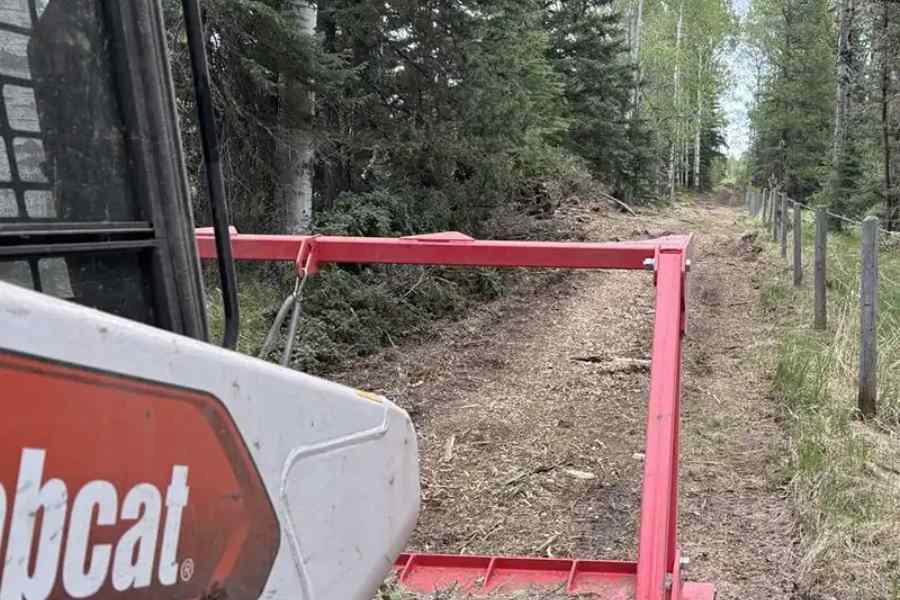
Fence lines on rural properties often become overgrown with brush, grass, and small trees. This growth can block visibility, limit inspection access, and place pressure on fence structures. Regular fence line maintenance helps keep property boundaries visible and safe. For rural landowners near Sundre, trail clearing preparation is often used to open narrow corridors along property edges so fences can be inspected and repaired easily. Managing vegetation along boundaries is also an important part of acreage land preparation, helping maintain clear fence corridors and improve long-term rural property management.
Key Takeaways
- Fence line clearing improves visibility and access along property boundaries.
- Regular vegetation removal helps protect fence posts and wires.
- Proper clearing supports long-term rural property maintenance.
- Soil and drainage planning help maintain stable fence corridors.
- Planned access paths make inspections and repairs easier.
Tip: Before clearing fence lines, walk the full boundary and mark posts, gates, and uneven areas so vegetation removal can follow the fence corridor safely.
Why Fence Lines Become Overgrown on Rural Properties
Vegetation growth along fences is common on rural properties. In areas around Sundre, grasses, shrubs, and young trees grow quickly during spring and summer months. Without periodic clearing, these plants can spread into fence corridors.
Overgrowth does not mean a property is poorly maintained. It simply reflects natural vegetation cycles. Rural land often contains open soil areas and moisture pockets where plants grow easily.
Brush growing against fences can cause several problems. Small trees may push against wire lines, while tall grass can hide damaged posts. Over time, this makes inspections more difficult and increases maintenance work.
This is why many landowners include fence line clearing as part of acreage land preparation and routine property care.
When Fence Line Clearing Becomes Necessary for Property Access
Fence lines serve an important role in defining property boundaries and containing livestock. When vegetation becomes too dense, it can block access to those boundaries.
Many rural property owners notice the need for clearing when:
- Fence inspections become difficult
- Access paths along boundaries disappear
- Broken posts or wires cannot be easily seen
- Vegetation starts leaning against fencing
In these situations, clearing vegetation becomes necessary for property access improvement.
In rural areas near Sundre, landowners often maintain narrow access corridors along fence lines. These paths make it easier to inspect fences, perform repairs, and monitor property boundaries throughout the year.
Keeping fence lines accessible also improves safety, especially when landowners need to reach damaged sections quickly.
Vegetation Clearing Steps and Rural Access Planning
Clearing vegetation along fences does not usually require removing large sections of land. Instead, the work focuses on creating a narrow corridor along the property boundary.
Following structured vegetation clearing steps helps keep the process safe and efficient.
Inspecting Fence Corridors Before Clearing
Before clearing begins, landowners typically walk the entire fence boundary. This allows them to identify obstacles, uneven ground, or areas where vegetation is dense.
This inspection stage is an important part of rural access planning because it helps determine the safest path for clearing.
Clearing Brush and Small Trees
The next step involves removing brush and small trees growing along the fence line. This reduces pressure on fence wires and improves visibility along the boundary.
Maintaining a Clear Boundary Corridor
Once vegetation is cleared, a visible corridor remains along the fence. This path makes it easier to perform inspections and access the fence when repairs are needed.
For landowners in Sundre, these clearing steps help maintain safe and accessible property boundaries.
Soil Stabilization Methods and Ground Grading Basics for Fence Corridors
When vegetation is removed along fence lines, the soil underneath becomes exposed. Without proper care, loose soil may shift or erode.
This is where soil stabilization methods help protect the ground around fence posts.
For example, leaving some ground vegetation or maintaining natural soil structure helps prevent erosion. In certain areas, light leveling may also be required.
Understanding ground grading basics can help maintain stable access paths along fence corridors.
These small adjustments help keep the ground level and reduce the chance of water collecting around fence posts. Stable ground also helps fence structures remain secure over time.
Trail Layout Considerations and Drainage Planning for Trails
When clearing access corridors along fences, planning the path carefully can make long-term maintenance easier.
Certain trail layout considerations help ensure that access paths remain safe and stable.
Choosing Safe Access Routes
Access paths are usually planned along natural terrain features. Following existing ground contours helps avoid steep slopes or unstable soil areas.
Preventing Water Accumulation
Water drainage is another important factor. Without proper drainage planning for trails, water may collect along access corridors.
Poor drainage can soften soil near fence posts and increase maintenance needs. Planning drainage helps keep fence corridors dry and stable.
For rural properties around Sundre, these planning steps help ensure that cleared paths remain usable throughout the year.
Equipment Commonly Used for Fence Line Clearing
Fence line clearing usually involves a combination of tools depending on vegetation density and terrain conditions.
Common equipment used in rural vegetation management includes:
- Brush cutters for dense grass and shrubs
- Chainsaws for small trees
- Mulching equipment for heavy vegetation
- Small excavation tools for stubborn roots
Using appropriate equipment helps remove vegetation without damaging fence structures.
Modern clearing tools allow vegetation to be removed efficiently while keeping the surrounding land stable.
In some cases, rural landowners may also work with professionals like New West Contracting when fence corridors become heavily overgrown.
How Often Should Fence Lines Be Cleared on Rural Properties?
Vegetation growth along fences varies depending on climate, soil conditions, and rainfall. In rural Alberta, growth is typically strongest during late spring and summer.
Because of this seasonal vegetation growth, many landowners inspect fence lines at least once or twice each year.
Regular inspections help identify areas where brush or grass is beginning to block access. Clearing small sections early is usually easier than waiting until vegetation becomes dense.
Maintaining fence corridors through periodic maintenance helps keep property boundaries visible and accessible.
Fence Line Clearing as Part of Acreage Land Preparation
Fence maintenance is closely connected to overall land management. Keeping property boundaries visible helps landowners manage their land more effectively.
For many rural properties, fence line clearing supports broader acreage land preparation efforts. Clear boundaries make it easier to monitor land conditions, manage livestock areas, and maintain property access routes.
Maintaining fence corridors also improves property organization and safety.
When clearing vegetation along property boundaries, planning access paths and maintaining visible fence lines can help landowners manage rural land more efficiently.
For landowners around Sundre, fence line clearing services can help restore visibility along property boundaries and make fence maintenance easier.
Proper trail clearing preparation ensures fence corridors remain visible, accessible, and easier to maintain over time.
FAQs
Can Fence Line Maintenance Help Prevent Wildlife Damage?
Yes, maintaining clear fence lines can make it easier to notice wildlife activity near property boundaries. When vegetation is controlled, landowners can quickly identify areas where animals may be pushing through or damaging fencing and take action before the problem spreads.
Is It Better To Clear Fence Lines Manually Or With Equipment?
The best method depends on vegetation density and the size of the property. Smaller areas may be maintained with manual tools, while larger acreages with dense brush often require mechanical clearing equipment to complete the work safely and efficiently.
Should Fence Line Maintenance Be Done Before Or After Installing New Fences?
Fence line maintenance is usually easier when done before installing new fencing. Clearing vegetation and preparing the corridor first allows posts and wires to be installed on stable ground with better visibility along the boundary.
Can Clearing Fence Lines Improve Property Value Or Land Use?
Maintaining visible and accessible fence lines can help improve overall land organization and usability. Clear property boundaries make it easier to manage acreage, maintain livestock areas, and plan future land improvements.
Are There Environmental Considerations When Maintaining Fence Lines?
Yes, responsible fence line maintenance often includes managing vegetation without disturbing soil stability or natural drainage patterns. Maintaining some ground cover and avoiding unnecessary soil disturbance can help protect the surrounding land.
What Safety Precautions Should Be Taken During Fence Line Clearing?
Safety is important when clearing vegetation near fences. Landowners should identify fence locations, avoid cutting near wires under tension, and ensure equipment operators maintain safe distances from posts and boundary structures.