- Blog
- Brush Cutting vs Forestry Mulching: Which Is Right?
Brush Cutting vs Forestry Mulching: Which Is Right?
Final Thoughts
Deciding between hiring a land clearing contractor vs DIY is not about choosing the easiest option. It is about choosing the approach that aligns with safety, cost control, and long-term land use goals. DIY may work for small, manageable areas, but professional clearing provides consistency, reduced risk, and better outcomes for complex properties.
If you are considering land clearing and want to avoid unnecessary setbacks, learning from experienced professionals can help clarify the best path forward.
- 587-894-1975
- Dan@newwestcontracting.ca
Key Takeaways
- Brush cutting removes surface growth quickly but leaves debris behind
- Forestry mulching grinds vegetation into organic mulch on site
- Terrain, regrowth control, and soil protection affect the best choice
- Long-term maintenance goals should guide your decision
- Both methods serve different land clearing needs
When comparing Brush Cutting vs Forestry Mulching, the real difference is not speed or equipment, but how the land will respond months after the work is completed.
Choosing the right land clearing method
Brush cutting and forestry mulching are both land clearing methods, but they approach vegetation removal differently. Brush cutting relies on mechanical cutting tools that slice through tall grass, shrubs, and small trees. The vegetation is cut down but typically remains on the ground.
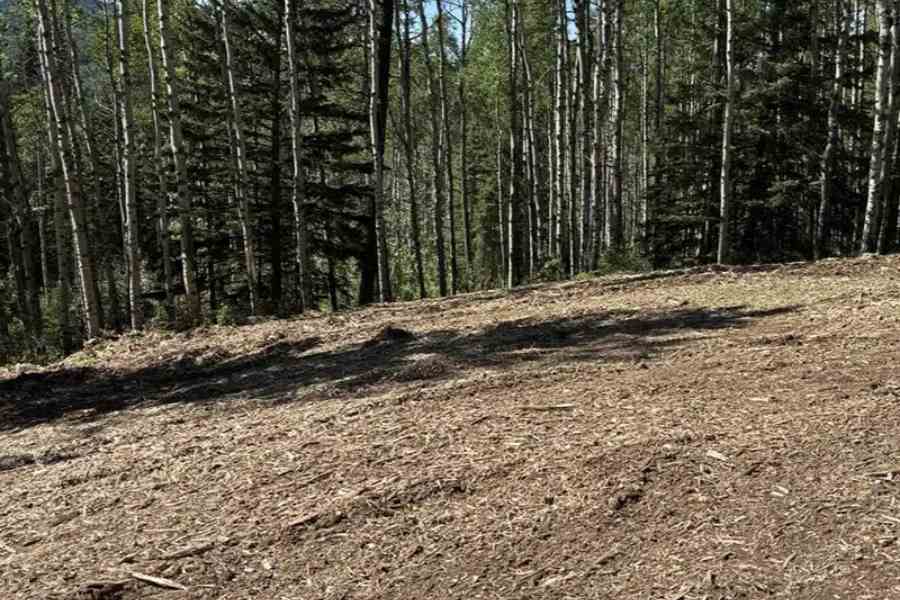
Forestry mulching uses heavy-duty equipment with a mulching head that grinds trees, saplings, and brush into fine organic mulch. Instead of removing material, it redistributes it across the soil surface. This difference alone changes how the land responds after clearing.
Brush cutting works well for quick access clearing or when vegetation needs to be knocked down temporarily. Forestry mulching is better suited for land restoration, regrowth control, and long-term site preparation.
Vegetation management options for property owners
Vegetation management is not only about removing plants. It is about how the land behaves afterward. Brush cutting leaves roots intact, which allows fast regrowth. This may be acceptable for seasonal property maintenance or access paths.
Forestry mulching breaks down vegetation at ground level and spreads mulch that suppresses new growth. This method helps control regrowth while improving soil protection. Property owners looking for environmentally friendly options often lean toward mulching because it minimizes erosion and preserves organic matter.
For ongoing vegetation management, mulching generally reduces how often land needs to be reworked.
How Each Method Handles Overgrown and Uneven Land
Overgrown land often includes uneven terrain, ground cover, and small trees and saplings. Brush cutting performs best on relatively even ground where access is easy. On slopes or rough terrain, cut debris can collect and create cleanup challenges.
Forestry mulching adapts better to uneven terrain. Mulching heads follow ground contours and process vegetation without leaving piles behind. This makes it suitable for right-of-way clearing, wooded edges, and properties with mixed vegetation density.
Environmental Impact, Soil Protection, and Regrowth Control
Soil protection plays a major role in sustainable land clearing. Brush cutting exposes soil once vegetation is removed, which can increase erosion if left unmanaged. Additional debris removal may also disturb the land further.
Forestry mulching creates a mulch layer that protects soil, supports erosion control, and improves moisture retention. The organic mulch decomposes naturally, contributing to land restoration rather than stripping nutrients away.
From an environmental standpoint, mulching is often considered the lower-impact approach when long-term soil health matters.
Cost, Cleanup, and Long-Term Property Maintenance Considerations
Cost differences depend on land size, vegetation density, and equipment requirements. Brush cutting may appear cheaper upfront, but repeated clearing can increase long-term expenses due to fast regrowth and cleanup needs.
Forestry mulching typically costs more initially but reduces debris removal and follow-up work. For property owners planning future development or long-term use, this often results in fewer maintenance cycles.
In Calgary and surrounding service areas, contractors regularly assess property goals before recommending a method because the right choice depends on how the land will be used over time.
In parts of Northwest Calgary, property owners often weigh the decision between hiring a land clearing contractor and handling the work themselves, particularly for acreage properties or development-ready land. In most of these cases, professional clearing helps avoid costly mistakes and delays.
FAQs
Is a brush cutter better than a mulching head?
A brush cutter is not better or worse by default. It depends on the goal. Brush cutters are effective for quickly cutting down tall grass, weeds, and light brush, especially when short-term access is needed. A mulching head, on the other hand, processes vegetation into mulch and helps reduce regrowth while protecting the soil. For long-term land clearing or regrowth control, mulching is usually more effective.
Can you use a forestry mulcher on a brush pile?
Forestry mulchers are designed to process standing vegetation, not compacted brush piles. Loose brush can sometimes be mulched, but dense piles may require repositioning first. Mulchers work best when vegetation is spread out and accessible, allowing the equipment to grind material evenly and safely.
What are the downsides of mulching?
Forestry mulching can have higher upfront costs compared to basic cutting methods. It may also take longer on very dense or large properties. Mulching does not remove material from the site, which may not be suitable if complete debris removal is required. However, for many properties, the benefits to soil protection and regrowth control outweigh these drawbacks.
What is the cheapest way to clear land?
The cheapest way to clear land is often basic brush cutting or mechanical cutting, especially for small areas with light vegetation. However, lower upfront cost does not always mean lower long-term cost. Faster regrowth and repeated clearing can increase expenses over time, making more thorough methods more cost-effective in the long run.
What are the disadvantages of a brush cutter?
Brush cutters leave roots intact, which allows vegetation to grow back quickly. They also leave cut debris on the ground, often requiring additional cleanup. On uneven terrain or dense growth, brush cutting may be less effective and require repeated maintenance to keep land manageable.