
- Blog
- What to Expect Before, During, and After a Brush Cutting Project
What to Expect Before, During, and After a Brush Cutting Project
Final Thoughts
A brush cutting project is more than just clearing vegetation. It is a structured process that improves visibility, access, and overall land usability.
By understanding what to expect at each stage, property owners can make better decisions and avoid uncertainty. In Calgary, where vegetation growth and land conditions vary, planning and timing play a key role in achieving the best results.
- 587-894-1975
- Dan@newwestcontracting.ca
Key Takeaways
- Brush cutting improves visibility and accessibility.
- Basic preparation helps avoid delays.
- The process follows a structured approach.
- Land becomes usable immediately in most cases.
- Timing affects efficiency and results.
Tip: Walk your property before starting and note uneven areas or hidden debris, as this helps reduce delays and avoids unnecessary ground disturbance during clearing.
Understanding Property Readiness Factors and Site Condition Expectations
Before starting any clearing work, it is important to understand the condition of your land. This includes identifying boundaries, checking access points, and observing vegetation density.
Identifying Boundaries and Access Points
Knowing where your property starts and ends prevents unnecessary clearing and keeps the process controlled.
Evaluating Vegetation Density and Terrain
Dense brush, uneven ground, or slopes can influence how the work is carried out. These factors do not stop the project but help guide the approach.
Most properties only need simple preparation. You do not need major changes before starting.
Project Timeline Overview and On Site Activity Stages
A brush cutting project follows a clear sequence rather than a random process. Understanding these stages helps set realistic expectations.
Initial Setup and Access Creation
The first step focuses on creating safe entry points for equipment and identifying the clearing path.
Active Vegetation Clearing Process
This is where dense brush is removed in a controlled manner, usually section by section.
Final Pass and Area Check
After clearing, the area is reviewed to ensure consistent results and proper coverage. For most properties, timelines depend on size and density. A small area may take a few hours, while larger or denser land can take longer.
Equipment Used and Ground Visibility Improvement During Clearing
The equipment used in clearing is selected based on terrain and vegetation type. This ensures efficiency without causing unnecessary damage.
One of the most noticeable results is improved ground visibility. Once dense vegetation is removed, the actual condition of the land becomes visible.
This makes it easier to plan future use, whether it is maintenance, development, or access improvement.
Will a Brush Cutting Project Disrupt My Land?
This is one of the most common concerns. While some surface disturbance is expected, it is usually limited and controlled.
The goal is to remove unwanted vegetation without causing long-term damage to the land. Most of the impact is temporary and settles naturally over time.
In practical terms, the land remains stable and usable after clearing.
Before and After Clearing: Land Condition Changes and Usability
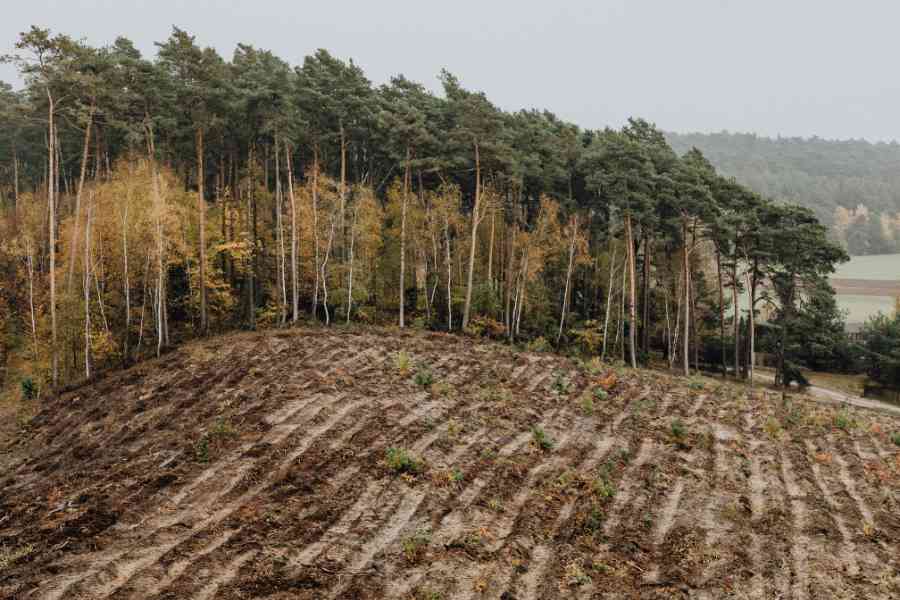
A brush cutting project creates noticeable changes in how land looks and functions.
Before clearing, properties often feel closed off and difficult to access. After clearing, the space becomes open, visible, and easier to manage.
Most property owners notice immediate improvements in usability. Whether it is walking, driving, or planning further work, access becomes much easier.
Area Accessibility Changes and Long-Term Benefits
One of the biggest advantages of clearing is improved access.
Removing dense vegetation allows movement across the property without obstacles. This is especially important for larger or rural areas.
Over time, maintaining this access becomes easier, reducing the need for repeated heavy clearing.
Seasonal Considerations and Ongoing Vegetation Management in Calgary
In Calgary, timing plays an important role in how effective a project will be.
Vegetation grows faster during certain seasons, and soil conditions can change depending on weather. For example, clearing during very wet conditions can increase surface disturbance.
Regular maintenance also helps control regrowth and keeps the land manageable over time.
Choosing the Right Approach for Your Property
Every property is different, so the approach should match the condition of the land.
If overgrowth is affecting access, visibility, or usability, it is usually the right time to act. Local expertise also plays a role, especially in understanding Calgary terrain and vegetation patterns.
New West Contracting works with property owners to help manage vegetation in a practical and controlled way.
FAQs
What Is The Ideal Time Of Year To Start A Brush Cutting Project?
The best time usually depends on vegetation growth and ground conditions. Dry or moderately firm soil conditions allow better control and reduce surface disturbance during clearing.
How Large Of An Area Can Be Covered In One Project?
The size of the area depends on vegetation density and terrain. Smaller, open areas can be cleared quickly, while dense or uneven land may require more time.
Will Brush Cutting Remove All Types Of Vegetation?
Brush cutting is effective for most overgrown vegetation, including shrubs and small trees. However, very large trees may require additional methods.
Do I Need To Stay On Site During The Project?
It is not always necessary to stay present, as long as boundaries and expectations are clearly discussed beforehand. Communication ensures smooth progress.
Can Brush Cutting Help Prepare Land For Future Development?
Yes, clearing vegetation improves visibility and access, making it easier to plan construction, landscaping, or other land use activities.
How Often Should Brush Cutting Be Done For Maintenance?
This depends on how fast vegetation grows in your area. Many properties benefit from periodic maintenance to prevent overgrowth from returning.