
- Blog
- Oil And Gas Site Preparation Guide For Calgary Projects
Oil And Gas Site Preparation Guide For Calgary Projects
Final Thoughts
Calgary is one of the major hubs for energy development in Canada. The surrounding region includes a mix of rolling terrain, forested areas, and agricultural land.
These conditions influence how oil and gas site preparation is approached for projects in the region.
Local terrain conditions often require careful planning to ensure equipment access and stable ground surfaces. Infrastructure corridors must also be planned around existing roads, pipelines, and environmental factors.
For companies developing projects near Calgary, proper site preparation helps ensure land can support long-term energy operations.
- 587-894-1975
- Dan@newwestcontracting.ca
Key Takeaways
- Oil and gas site preparation begins with terrain and land assessments.
- Planning drilling locations and well pad layouts improves project efficiency.
- Pipeline corridors and field access routes must be planned early.
- Surface disturbance considerations help guide responsible land clearing.
- Early planning supports long-term resource development strategy.
Tip: Before clearing land for drilling sites, walk the terrain to identify slopes, drainage paths, and access routes so site preparation aligns with natural ground conditions.
Understanding Oil and Gas Site Preparation and Energy Project Groundwork
Energy projects require significant planning before construction or drilling begins. Oil and gas site preparation typically starts with evaluating land conditions, identifying infrastructure needs, and determining safe equipment access routes.
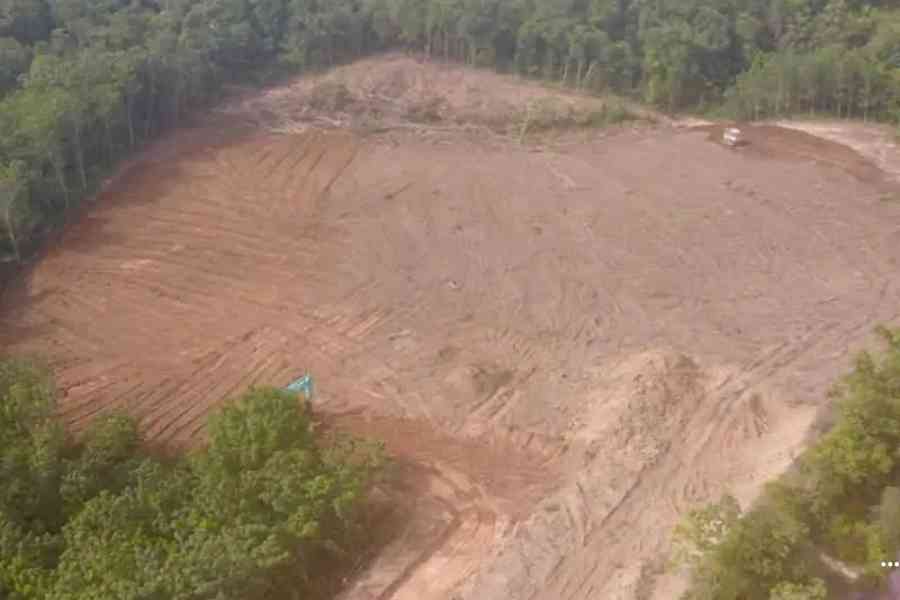
Preparation work often includes clearing vegetation, grading terrain, and stabilizing surfaces so heavy equipment can operate safely. This type of energy project groundwork also ensures that drilling rigs, staging equipment, and transport vehicles have sufficient space to move around the site.
In many oilfield projects, proper site preparation helps reduce delays later in the construction process. When terrain is assessed and access routes are planned early, project teams can move equipment efficiently once development begins.
Industrial Terrain Assessment and Surface Disturbance Considerations
Before land can be prepared for drilling or infrastructure development, planners usually perform an industrial terrain assessment. This process evaluates soil stability, slope conditions, drainage patterns, and vegetation density.
For example, uneven terrain may require grading to create a stable surface for equipment. Similarly, soil conditions must be strong enough to support heavy machinery and drilling rigs.
Another key factor involves surface disturbance considerations. Energy projects typically focus on clearing the specific areas needed for infrastructure rather than disturbing the entire property.
In Alberta, environmental planning often requires identifying how much land will be affected by construction. Limiting disturbance helps maintain surrounding vegetation and reduces unnecessary land impact.
Drilling Location Layout and Well Pad Site Readiness
Selecting the right drilling location is one of the most important parts of site planning. Drilling location layout determines where the well pad, equipment staging areas, and safety buffers will be placed.
Project planners typically evaluate geological surveys along with land conditions before selecting the final drilling location.
Once the site location is determined, preparation work begins to ensure well pad site readiness. This may include vegetation clearing, ground grading, and access road preparation.
Equipment Zones and Safety Buffers
Most drilling sites include designated areas for drilling rigs, support equipment, and storage zones. These zones are carefully arranged to support safe operations.
Ground Preparation for Drilling Infrastructure
Land preparation also ensures that the ground surface is stable enough to support drilling equipment and heavy vehicles.
Pipeline Corridor Planning and Field Access Requirements
Energy infrastructure projects rarely involve drilling sites alone. Pipeline routes and access roads are often developed alongside drilling locations.
Pipeline corridor planning helps ensure that pipelines can safely connect wells to processing facilities or transport networks.
Access planning is equally important. Field access requirements determine how vehicles and equipment will reach the drilling site during construction and operational phases.
In many projects, planners design these access routes early in the development process. Doing so helps avoid construction delays and allows equipment to reach the site efficiently.
Resource Development Strategy and Long-Term Site Planning
Energy development projects are usually planned with long-term operations in mind. A strong resource development strategy considers how infrastructure will support future production activities.
For example, access roads may be designed to support multiple drilling phases, while pipeline corridors may be planned to connect additional wells later.
Planning infrastructure early helps reduce future development costs and improves operational efficiency. When land access and equipment routes are organized during early development stages, project teams can expand operations more easily.
Equipment and Land Clearing Methods Used for Energy Projects
Preparing land for oil and gas development requires specialized machinery. Industrial land clearing typically uses equipment designed to handle dense vegetation and uneven terrain.
Common machines used during energy project groundwork include excavators, bulldozers, forestry mulchers, and grading equipment.
Vegetation Clearing and Mulching Methods
Vegetation is often removed using mulching equipment that grinds brush and small trees directly on site.
Terrain Grading for Industrial Infrastructure
Grading machines are used to level terrain and create stable surfaces for drilling equipment and transport vehicles.
These methods help create safe operating conditions while preparing the land for construction.
How Long Does Oil and Gas Site Preparation Usually Take?
The time required for oil and gas site preparation varies depending on terrain conditions, project size, and infrastructure requirements.
For smaller sites, preparation may take several weeks. Larger projects involving pipelines and multiple access roads may take longer.
Industry planning studies often show that land preparation can represent a significant portion of the early project timeline. However, when planning is completed properly, construction and drilling phases tend to proceed more smoothly.
Proper preparation helps reduce unexpected delays once drilling operations begin.
FAQs
What Permits Are Required For Oil And Gas Site Preparation In Alberta?
Oil and gas projects in Alberta usually require approvals from provincial regulatory bodies before land clearing or construction begins. Permits often involve environmental reviews, land use authorization, and infrastructure planning to ensure development activities follow provincial guidelines.
How Large Is A Typical Well Pad Area For Oil And Gas Development?
Well pad size can vary depending on the drilling program and the number of wells planned for the site. In many energy projects, well pads are designed large enough to accommodate drilling rigs, equipment staging areas, and safety buffers while allowing safe equipment movement.
How Do Companies Minimize Environmental Impact During Site Preparation?
Energy project planners often reduce environmental impact by limiting clearing to operational zones, planning drainage carefully, and managing vegetation removal responsibly. These practices help protect surrounding land while preparing the site for infrastructure development.
What Factors Affect The Cost Of Oil And Gas Site Preparation?
Several factors influence preparation costs, including terrain conditions, vegetation density, access road requirements, and the overall size of the development area. Projects located in remote or uneven terrain may require additional planning and groundwork before drilling begins.
Why Is Access Road Planning Important For Oilfield Projects?
Access roads allow equipment, construction crews, and maintenance teams to reach drilling sites safely. Without proper access planning, transporting heavy machinery and materials to remote locations can become difficult and may delay project timelines.
Can Oil And Gas Site Preparation Be Completed During Winter?
In some cases, winter conditions can actually support certain site preparation activities. Frozen ground can make it easier for heavy equipment to move across terrain without causing soil disturbance, although weather conditions and project requirements still influence scheduling decisions.